



Sustainable Tool Disposal Solutions
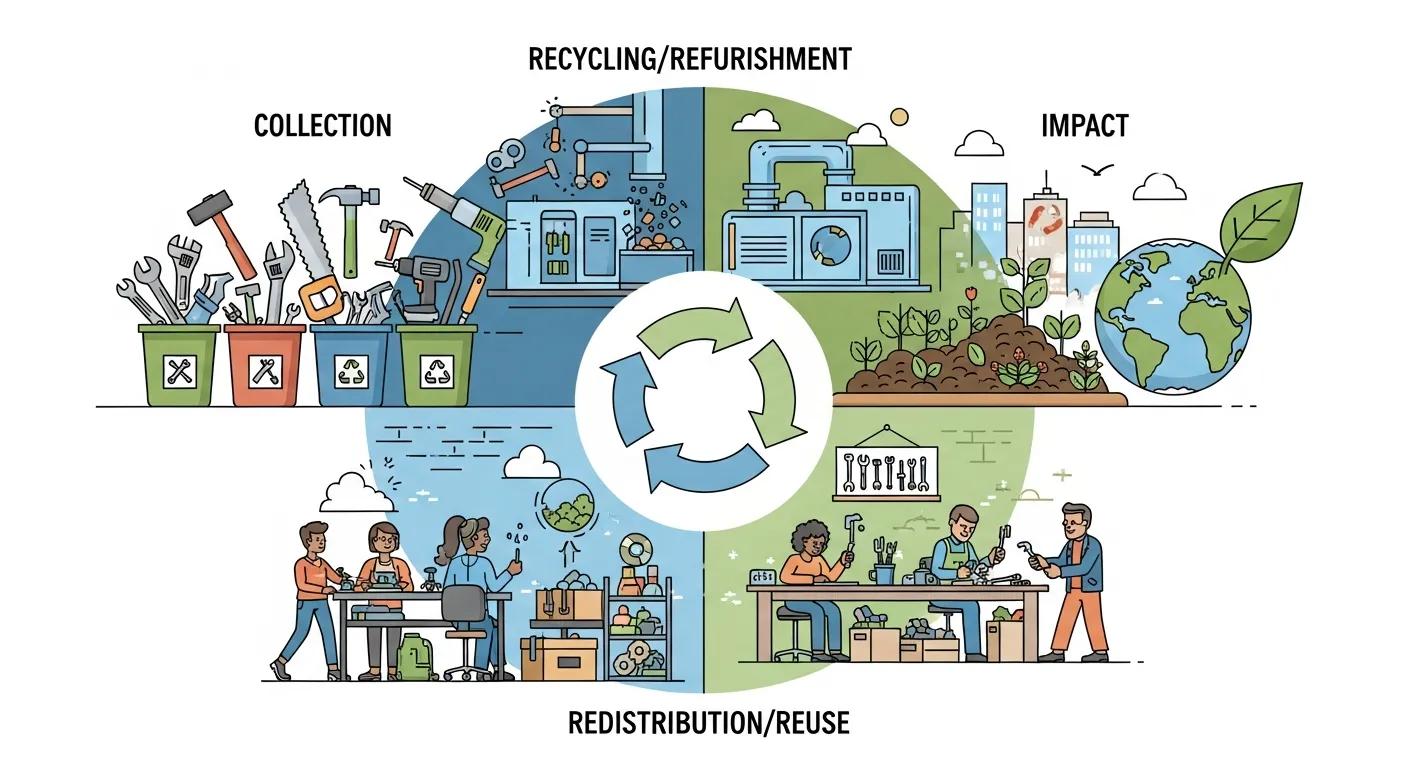
Responsible tool disposal and recycling are essential practices for minimizing environmental impact and promoting sustainability. As tools become obsolete or damaged, understanding how to dispose of them properly can significantly reduce waste and pollution. This article will explore various methods for responsible tool disposal, including local recycling programs and the environmental benefits of these practices. Additionally, we will discuss how individuals can participate in recycling initiatives and the regulatory guidelines that govern tool disposal. By the end of this guide, readers will be equipped with the knowledge to make informed decisions about tool disposal and recycling.
What Are the Most Effective Tool Disposal Methods?
Effective tool disposal methods are crucial for ensuring that tools do not contribute to landfill waste. Various approaches exist, each with its own benefits and considerations. Responsible disposal not only protects the environment but also promotes recycling and reuse of materials. The most effective methods include recycling, donating, and proper disposal of hazardous materials. Understanding these methods can help individuals make informed choices about their old tools.
| Disposal Method | Description | Environmental Impact |
|---|---|---|
| Recycling | Tools are processed to recover materials for reuse. | Reduces landfill waste and conserves resources. |
| Donation | Functional tools are given to charities or community programs. | Extends the life of tools and supports local communities. |
| Hazardous Disposal | Special handling for tools containing hazardous materials. | Prevents environmental contamination and health risks. |
These methods highlight the importance of responsible tool disposal and the positive impact it can have on the environment.
How to Dispose of Power Tools Safely and Responsibly
Disposing of power tools requires careful consideration due to their potential hazards. To ensure safe disposal, follow these steps:
- Assess Condition: Determine if the tool is still functional. If it is, consider donating it to a local charity or community program.
- Check Local Regulations: Research local laws regarding the disposal of power tools, especially those containing hazardous materials like batteries or chemicals.
- Use Designated Facilities: Take power tools to designated recycling centers or hazardous waste disposal sites to ensure they are handled properly.
By following these steps, individuals can safely dispose of power tools while minimizing environmental risks.
Understanding Eco-Friendly Tool Recycling Techniques
Eco-friendly tool recycling techniques focus on minimizing waste and maximizing resource recovery. These techniques include:
- Material Recovery: Tools are disassembled to recover valuable materials such as metals and plastics, which can be reused in manufacturing.
- Refurbishment: Tools that are still functional can be refurbished and resold, extending their lifespan and reducing the need for new products.
- Innovative Recycling Processes: New technologies are being developed to improve the efficiency of recycling processes, making it easier to recycle a wider range of tools.
These eco-friendly techniques not only reduce waste but also promote a circular economy where materials are reused rather than discarded.
Where Can You Find Recycling Centers for Tools Near You?
Finding local recycling centers for tools is essential for responsible disposal. Many communities have established programs to facilitate the recycling of various tools. Here are some ways to locate these centers:
- Online Resources: Websites like Earth911 provide searchable databases for recycling centers based on location and material type.
- Community Programs: Local governments often have recycling initiatives that include tool disposal. Check with your city or county's waste management department for information.
- Retail Partnerships: Some retailers offer recycling programs for tools, allowing customers to return old tools when purchasing new ones.
By utilizing these resources, individuals can easily find recycling centers that accept tools.
How to Locate Local Tool Recycling Programs and Facilities
To locate local tool recycling programs and facilities, consider the following methods:
- Visit Local Government Websites: Many municipalities provide information on recycling programs and drop-off locations.
- Contact Local Waste Management Authorities: These organizations can guide you to the nearest recycling facilities that accept tools.
- Engage with Community Groups: Local environmental organizations often have information on recycling events and programs.
These strategies can help individuals find the most convenient and responsible options for recycling their tools.
What Types of Tools Are Accepted at Recycling Centers?
Recycling centers typically accept a variety of tools, but it's essential to know which types are eligible. Commonly accepted tools include:
- Power Tools: Drills, saws, and sanders that are no longer functional.
- Hand Tools: Hammers, wrenches, and screwdrivers that can be refurbished or recycled.
- Garden Tools: Shovels, rakes, and lawnmowers that are no longer in use.
Understanding what types of tools are accepted can help individuals make informed decisions about their disposal options.
What Are the Environmental Benefits of Responsible Tool Disposal?
Responsible tool disposal has significant environmental benefits, including waste reduction and pollution prevention. By properly disposing of tools, individuals can contribute to a healthier planet.
How Tool Recycling Reduces Environmental Waste and Pollution
Tool recycling plays a crucial role in reducing environmental waste. When tools are recycled, the materials can be repurposed, which decreases the demand for new raw materials. This process leads to:
- Less Landfill Waste: Recycling keeps tools out of landfills, reducing the overall waste burden.
- Lower Pollution Levels: By recycling materials, the pollution associated with manufacturing new products is minimized.
These benefits highlight the importance of recycling tools as part of a broader environmental strategy.
Statistics and Case Studies on Tool Recycling Impact
Research shows that recycling tools can have a substantial impact on waste reduction. For example, a study found that recycling just one ton of metal can save over 2,500 pounds of iron ore and reduce greenhouse gas emissions significantly. Additionally, case studies from various communities demonstrate that implementing tool recycling programs can lead to a significant reduction in waste sent to landfills.
These statistics underscore the effectiveness of responsible tool disposal and recycling in promoting environmental sustainability.
How Do Tool Recycling Programs Work and Who Can Participate?
Tool recycling programs are designed to facilitate the responsible disposal of tools while encouraging community participation. Understanding how these programs work can help individuals get involved.
Step-by-Step Guide to Participating in Tool Recycling Programs
Participating in tool recycling programs typically involves the following steps:
- Research Local Programs: Identify recycling programs in your area that accept tools.
- Prepare Tools for Recycling: Clean and disassemble tools if necessary, following any specific guidelines provided by the program.
- Drop Off Tools: Take the tools to the designated recycling location during specified hours.
By following these steps, individuals can easily participate in local recycling initiatives.
Eligibility and Requirements for Tool Donation and Refurbishment
Many tool recycling programs also accept donations for refurbishment. Eligibility requirements may include:
- Condition of Tools: Tools must be in working condition or easily repairable.
- Documentation: Some programs may require proof of ownership or a donation form.
Understanding these requirements can help individuals ensure their tools are accepted for donation or refurbishment.
What Are the Regulatory Guidelines for Tool Disposal and Recycling?
Regulatory guidelines for tool disposal and recycling are essential for ensuring safe and responsible practices. These guidelines vary by location and type of tool.
Understanding Hazardous Waste Regulations for Power Tools
Power tools often contain hazardous materials, such as batteries and chemicals, which require special handling. Regulations typically include:
- Labeling Requirements: Tools containing hazardous materials must be clearly labeled.
- Disposal Procedures: Specific procedures must be followed for disposing of hazardous materials to prevent environmental contamination.
Familiarizing oneself with these regulations is crucial for safe disposal.
How to Ensure Compliance with Local and Federal Disposal Laws
To ensure compliance with local and federal disposal laws, individuals should:
- Stay Informed: Regularly check for updates on regulations regarding tool disposal in their area.
- Follow Guidelines: Adhere to all local and federal guidelines for hazardous waste disposal.
By staying informed and compliant, individuals can contribute to safer communities and environments.
How Can You Maximize Eco-Friendly Practices in Tool Disposal?
Maximizing eco-friendly practices in tool disposal involves adopting strategies that extend the life of tools and promote sustainable practices.
Tips for Extending Tool Lifespan Before Disposal
To prolong the lifespan of tools before disposal, consider the following tips:
- Regular Maintenance: Clean and service tools regularly to keep them in good working condition.
- Proper Storage: Store tools in a dry, safe place to prevent damage.
- Routine Checks: Inspect tools for wear and tear, addressing issues promptly to avoid further damage.
Implementing these practices can help individuals get the most out of their tools before considering disposal.
Innovative Recycling and Refurbishment Options for Sustainable Use
Innovative recycling and refurbishment options are emerging to promote sustainable tool use. These options include:
- Upcycling: Transforming old tools into new products or art pieces.
- Community Workshops: Participating in workshops that teach skills for refurbishing and repairing tools.
These innovative approaches not only reduce waste but also foster creativity and community engagement in sustainable practices.